


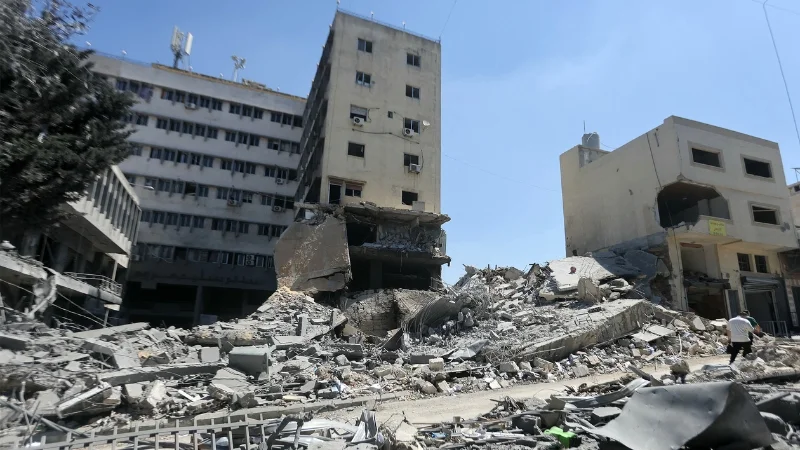


American and Iranian negotiators have agreed to create a “deconfliction cell” for Lebanon to end the war there.
Ongoing hostilities between Israel and Hezbollah, which is based in Lebanon, have threatened to scupper peace talks between the US and Iran.
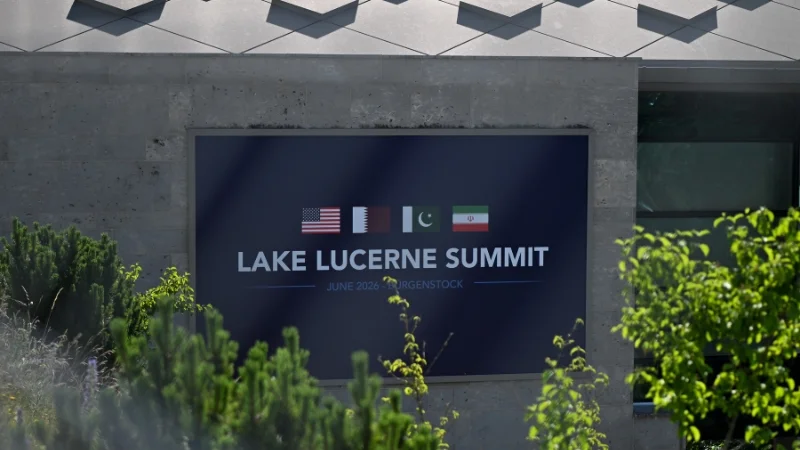
The so-called “deconfliction cell” would “ensure the adherence of the termination of military operations in Lebanon” outlined under the memorandum of understanding signed between the US and Iran, said a joint statement released by Qatar and Pakistan, who are mediating the negotiations in Switzerland.
Negotiations have also opened a separate channel to reduce tensions over the Strait of Hormuz, which Iran has claimed to have closed several times as a result of perceived US and Israeli violations of the memorandum of understanding.
“A communication line between the parties has been formed for [60 days] to avoid incidents and miscommunication with the aim of safe passage for commercial vessels through the Strait of Hormuz,” the parties said in the statement.
Technical talks are set to continue for the rest of the week.
A new “high-level committee” has also been created to oversee negotiations during the mandated 60-day period.
Negotiators will be required to report to the committee and lead working groups to address the most difficult issues, especially Iran’s nuclear ambitions.
On Sunday, President Masoud Pezeshkian said Iran will not stop enriching uranium,.
Iranian state TV quoted Pezehskian as saying Iran “has not and will never back down from its fundamental right to uranium enrichment.” He also said the US “has been forced to accept” the demand.
Another news outlet said Pezeshkian has promised Iran will not use enriched uranium to make weapons.
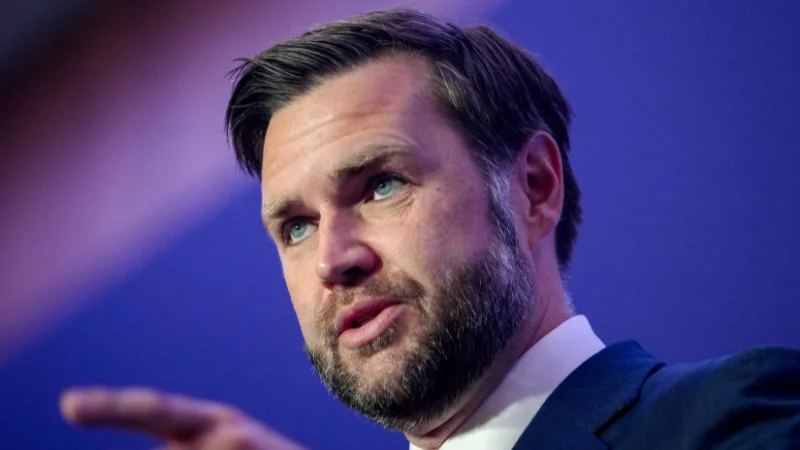
The provocative remarks came as Vice President JD Vance and other US representatives met with Iran’s parliamentary speaker and foreign minister at a resort in the Swiss mountains.
Mediators from Pakistan and Qatar are also present.
Vice President Vance has said the talks are an opportunity to reset the relationship between the US and Iran, which has been openly hostile since the Shah was deposed in 1979.
“Can we change relations in the Middle East permanently, or do we go back to doing things the old way, which is not our preference, but is certainly very much something that can happen,” Vance said on Sunday.
He continued: “The opening of the Strait of Hormuz, the ending of the Iranian nuclear program, all of these things have already been accomplished. The question before us now is, how much more can we accomplish together? Can we turn over a new leaf?”
President Trump has, however, left the door open to new strikes if the negotiations fail.
On Sunday, he issued a warning to Iran on Truth Social.
“Iran must immediately stop their highly paid PROXIES in Lebanon from causing trouble. If they don’t, we’ll hit Iran very hard again, just like we did last week, only harder!!!”
A memorandum of understanding to begin formal peace negotiations was signed this week and included a provision for Israel to halt military operations in southern Lebanon.
But less than a day after a ceasefire was announced between Israel and Hezbollah, Israeli forces launched attacks that killed 16 people, putting the Switzerland summit in jeopardy.
Vance was originally due to fly to Switzerland on Friday, but Iran cancelled the talks.


One Response
The only way the bumbling Trump can show he does not bow down to Israel is by Israel leaving Lebanon. Rhetoric does not work.